What You’ll Do
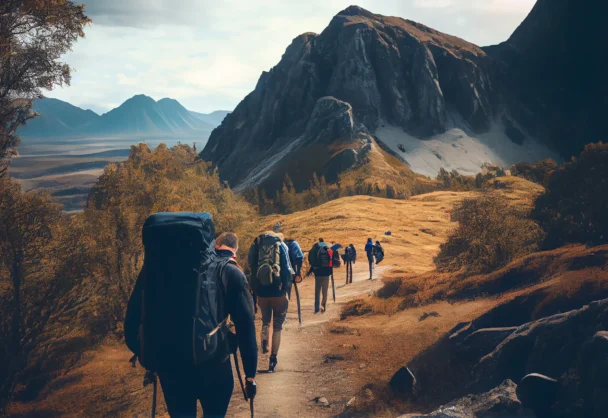
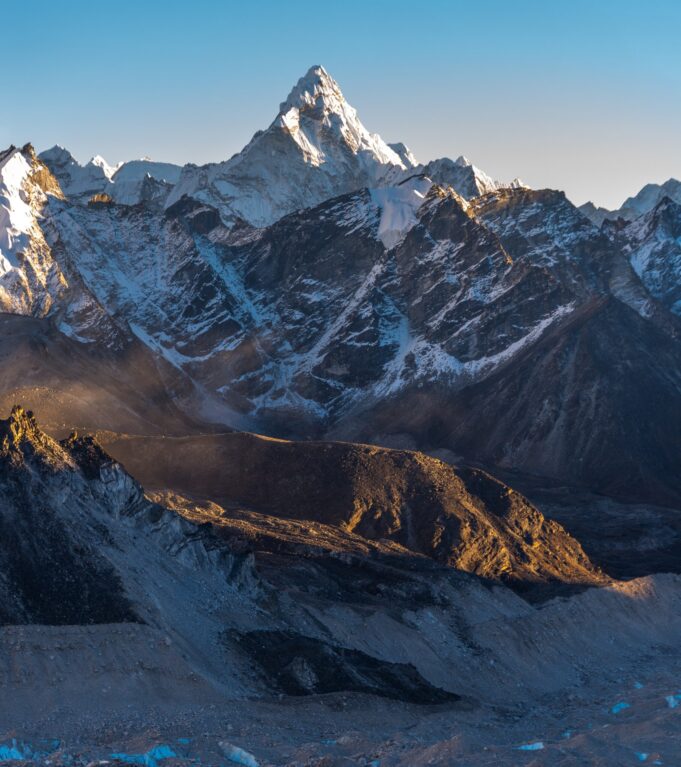
The Gokyo Lakes Trek to Everest Base Camp takes place in the Khumbu region, where you’ll discover some of nature’s hidden gems. This adventure includes exploring beautiful Gokyo Lakes, crossing the tough Cho La Pass, enjoying panoramic views from Gokyo Ri, and witnessing the incredible Khumbu Icefall. Gokyo to Everest Base Camp Trek takes you to witness the splendor of mighty mountains such as Everest, Pumori, Taboche, Choyu, Nuptse, and the turquoise blue water of Gokyo.
This is a beautiful trek experience that is quite unconventional as we trek through Gokyo towards the Everest Base Camp. It is also known as Everest Circuit Trek, exploring the beauty of Sherpa culture, the mighty mountains, villages, and valleys. This trek experience will rejuvenate your soul as it takes you far away from bustling city life to the lap of nature.
The trek begins with a flight from Kathmandu/Manthali to Lukla. The scenic flight features flying above the skies with the vistas of lush green hills, gorgeous lakes, and more. We then hike a small elevation from Lukla to Phakding. The planet’s highest hotel, Everest View Hotel, offers the best view of mighty Mt. Everest. We cross many settlements such as Namche, Phortse Tenga, Machherma, Gokyo Valley, Thangna, Dzongla, Tengboche, Pangboche, Lobuche, Pheriche, Gorakshep, and get back to Lukla.
Some days we trek through icy and rocky terrain, whereas other days we may trek through smooth trails. The trek will take us through ups and downs, thick and thin, but will help us experience the most beautiful scenery and vistas. We get to witness the above-5000-meter-high Cho La Pass, a vista of the tallest mountain, Everest, along with the aforementioned mountains, trek through rivers with prayer flags alongside, and get to observe and learn about Sherpa culture.
Pack your bags and get ready for this adventure!
Gokyo Lakes Trek Itinerary
Day 1: Arrival in Kathmandu and transfer to hotel (1,350m).
Day 2: Fly to Lukla (2,850m/9,350 ft) – 40 minutes, then trek to Phakding (2,650m/8,562 ft) – Duration: 4-5 hours.
Day 3: Trek from Phakding to Namche Bazaar (3,440m/11,285 ft) – Duration: 5-6 hours.
Day 4: Rest day and acclimatization at Namche Bazaar.
Day 5: Trek to Tengboche (3,790m) – Duration: 5-6 hours.
Day 6: Trek to Dingboche (4,410m) – Duration: 3-4 hours.
Day 7: Day trip to Chhukung Valley and back to Dingboche – Duration: 4-5 hours.
Day 8: Trek to Lobuche (4,950m) – Duration: 5-6 hours.
Day 9: Trek to Everest Base Camp (5,364m), then return to Gorakshep (5,180m) – Duration: 6-7 hours.
Day 10: Early morning hike to Kalapatthar, then trek to Dzongla (4,830m) – Duration: 6-7 hours.
Day 11: Cross the Cho La Pass (5,420m), then trek down to Thangnak (4,700m) – Duration: 7-8 hours.
Day 12: Trek to Gokyo (4,800m), then explore around Gokyo – Duration: 3-4 hours.
Day 13: Climb Gokyo Ri (5,360m) and trek down to Dole (4,200m) – Duration: 5-6 hours.
Day 14: Trek down to Namche Bazaar (3,440m) – Duration: 5-6 hours.
Day 15: Trek from Namche Bazaar to Lukla (2,850m/9,350 ft) – Duration: 6-7 hours.
Day 16: Fly from Lukla to Kathmandu – Duration: 30-minute flight.
Day 17: Transfer to Tribhuvan International Airport for departure.
What’s included?
What’s excluded?
Useful Info
The Gokyo to Everest Base Camp trek falls under the difficult category as the trekkers will be climbing above the altitude of 5,000 metres. If you’re physically fit, you’re good to go. Otherwise, the trek may be strenuous for you. The unpredictable climate changes also make this trek challenging. You should start swimming, jogging and exercise before you decide to come on this trek.
During the high-demand periods, such as March, April, May, October, and November, flights to Lukla are redirected to Ramechhap/Manthali due to increased air traffic. This change requires travellers to embark on a scenic 5 to 6-hour road journey from Kathmandu to reach the alternative departure point. However, during the quieter off-peak months of January, February, June, July, August, September, and December, flights to Lukla are typically operated directly from Kathmandu. The Everest region trek may be affected by bad weather conditions; it can be clearly said that the flight to Lukla may get cancelled due to runway problems, air traffic problems, and bad weather. The trekkers are requested to manage two/three days extra so that the cancelled day can be covered up.
Accommodation along the Gokyo to Everest Base Camp Trek typically consists of cosy guesthouses, lodges, or tea houses that offer a comfortable place to rest after a day of trekking. These accommodations are situated in the picturesque villages along the trekking route. Keep in mind that accommodation standards may vary from one place to another, and during busy seasons, it’s a good idea to book your accommodation in advance if possible. Be prepared for basic facilities and shared amenities. At the guesthouses along the trekking route, you’ll be delighted to discover a diverse array of food choices to cater to various tastes and preferences. The menu options encompass traditional Nepali dishes like daal bhat (a hearty combination of rice and lentils), as well as bread, eggs, potatoes, noodles, nourishing soups, delectable pasta, and delightful pastries. To support your acclimatization process, we recommend opting for vegetarian meals during your journey. Garlic-rich dishes are abundant on the menu, as garlic is believed to aid in acclimatization to higher altitudes. Plus, with every meal, you’ll be treated to one complimentary hot drink, which includes a selection of coffee, hot chocolate, tea, or hot lemon drinks. If you desire an extra hot beverage or perhaps a soda, you can easily purchase these separately.
Note: You will have to focus on more fluid consumption because you need to stay hydrated.
Gokyo to Everest Base Camp is a highly challenging trek as we will be climbing through high altitudes, so travel insurance is highly recommended. Insurance companies offer policies based on the altitude that you will be tackling during your trip. You should make sure that the travel insurance policy covers emergency health services, Heli rescue and evacuation up to the highest elevation you will be trekking. If you are visiting Nepal for the first time or you don’t know anything about insurance, you can easily communicate with us. We suggest some insurance companies based on the selections and experiences of our customers in the past. You are free to find the insurance company of your choice that provides the required coverage.
Spring and autumn are the best seasons for the Gokyo to Everest Base Camp Trek due to their favourable weather conditions, trekking is possible in other seasons as well. However, the winter months (December to February) can be extremely cold, with limited visibility due to fog and snow.
In the lower-altitude villages (e.g., Lukla, Phakding, Namche Bazaar), electricity is available, and you can charge your devices in teahouses and lodges. However, power cuts and outages can occur, and you may need to pay extra for charging your devices in some places. As you ascend to higher altitudes, electricity becomes scarcer. In some remote villages and teahouses at higher altitudes, you may rely on solar power or generators, and charging may be limited or not available at all. It’s advisable to carry power banks or spare batteries for your devices.
In lower-altitude villages like Lukla, Phakding, and Namche Bazaar, you can find Wi-Fi access in some teahouses and lodges, but it may be slow and unreliable. Many places offer paid Wi-Fi services, and as you go higher, internet access becomes increasingly limited. At some point, you may not have any internet connectivity for several days.
Lower Altitudes: Lukla and Namche are the places with ATMs, but they may not always be reliable. It’s a good idea to carry enough cash (Nepali Rupees) from Kathmandu to cover your trek expenses.
Safe Drinking Water: It’s essential to stay hydrated during the trek. You can purchase bottled water at teahouses, but it can be expensive. To reduce plastic waste, consider using a water purification method, such as water purification tablets or a water filter, to treat tap or stream water. Trekkers often use a refillable water bottle and treat the water from teahouses or natural sources. Many teahouses offer boiled water for a small fee, which is a cost-effective and environmentally friendly way to stay hydrated.